
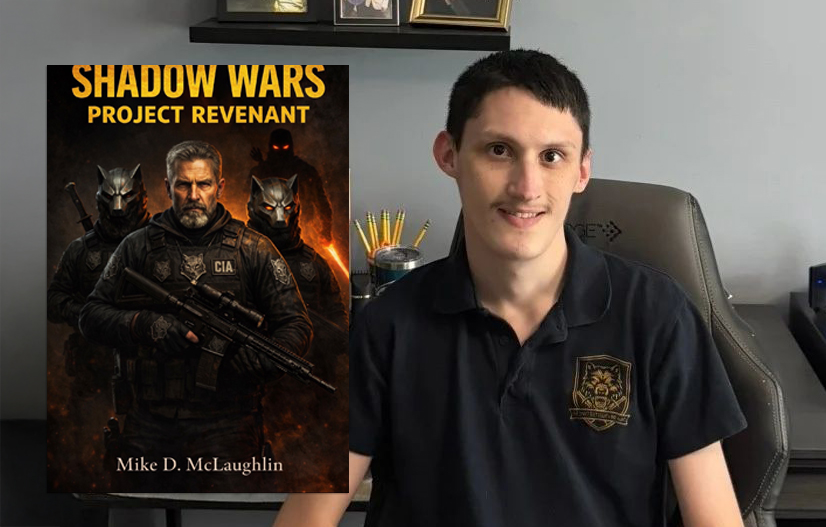
A typical day for me can switch quickly between schoolwork and writing. One moment, I’m working on an assignment for class at West Chester University. Next, I’m writing a battle scene, creating a new character, or figuring out how to promote the next volume of Shadow Wars, a series of my original novels.
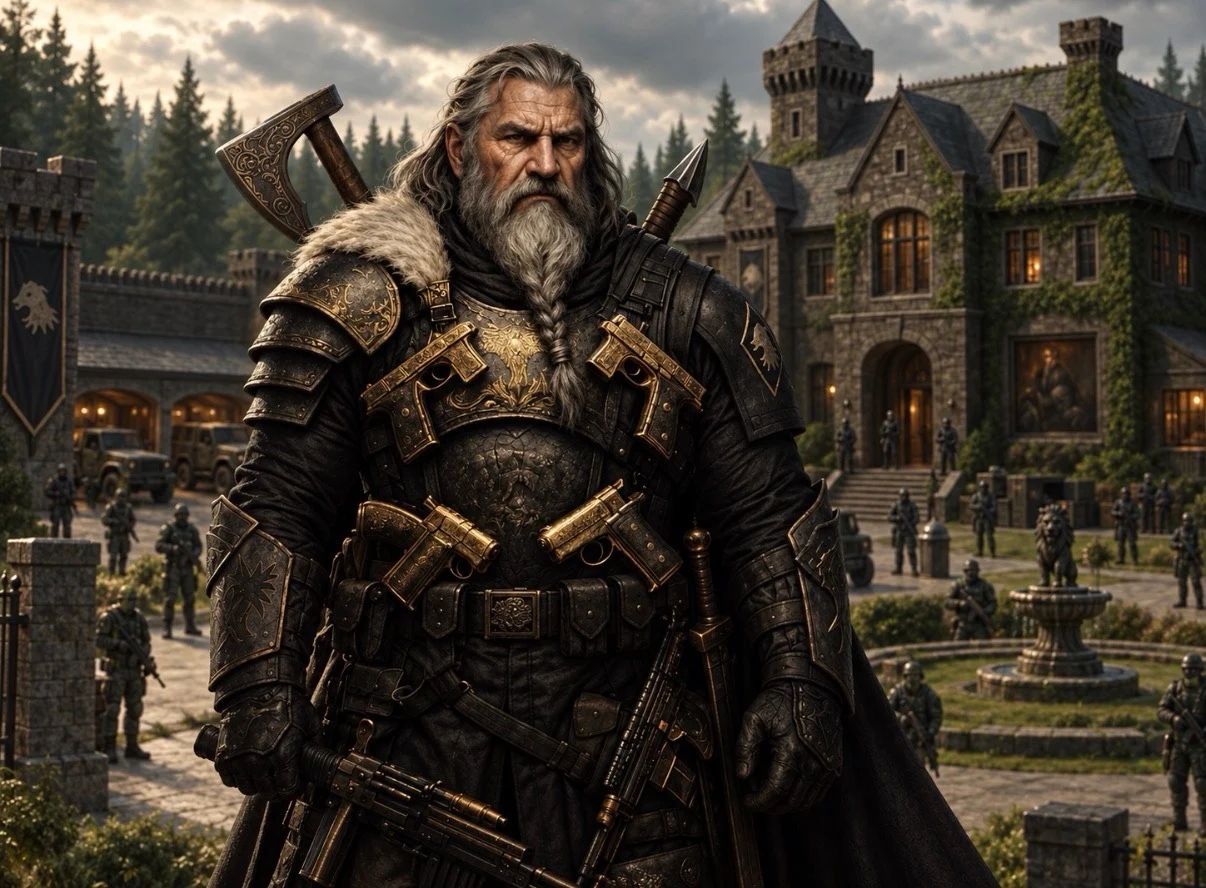
Shadow Wars is a military science-fiction and fantasy series centered on General Thrain Stonehelm, an immortal dwarven United States military commander, and the Steelborne Wolves, an elite special forces unit. Across the series, Stonehelm and his allies face terrorist organizations, rogue military factions, supernatural threats, and global conflicts while uncovering conspiracies that connect events across different countries, worlds, and generations.
How Shadow Wars began
I first started coming up with ideas for the Shadow Wars series during my high school years. Before I started writing it, I had already become a fan of fantasy, military fiction, science fiction, and large fictional universes. Some of my influences included George R.R. Martin’s A Song of Ice and Fire series, Tom Clancy’s military and espionage novels, and television and video game franchises, such as Game of Thrones, The Last of Us, The Walking Dead, Call of Duty: Black Ops, and Call of Duty: Modern Warfare.
Some of my earliest ideas came from imagining individual characters and scenes before I knew exactly what the full story would become. I began thinking about characters like General Thrain Stonehelm and the kind of world, history, conflicts, and factions that could surround him. From there, the Shadow Wars universe gradually expanded into different locations, timelines, organizations, and storylines.
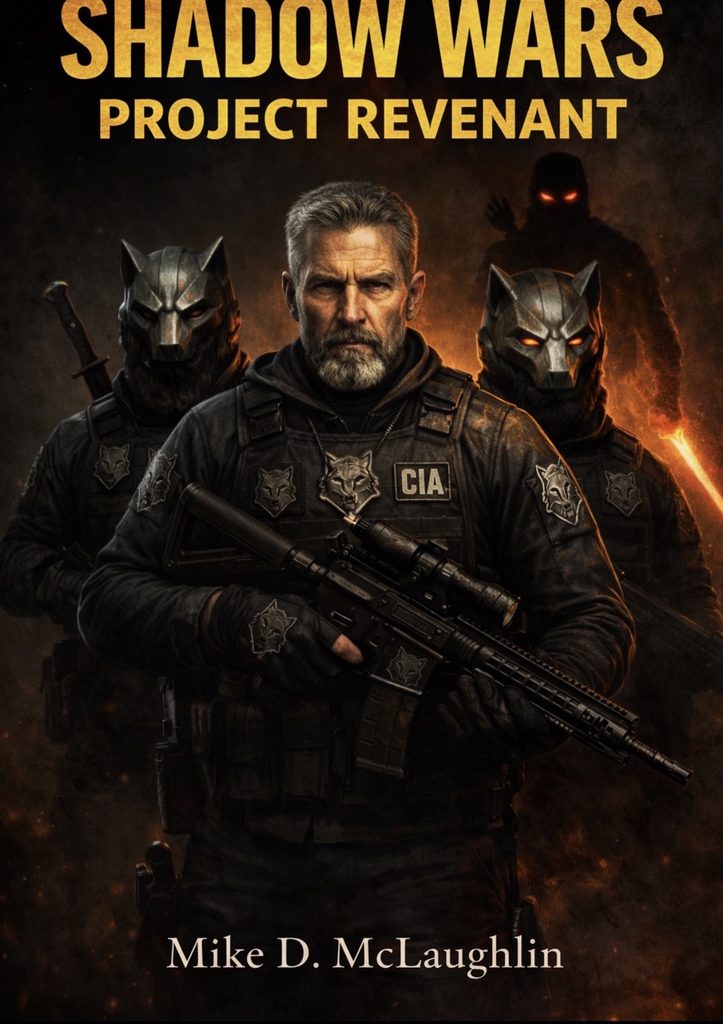
Originally, I imagined Shadow Wars as a television series and even began writing it in script form. Over time, though, I realized that while creating a television show was not impossible, it would be a difficult path, especially for someone just starting out. That realization pushed me to rethink the project and eventually turn Shadow Wars into a series of novels instead. I started writing Shadow Wars: Project Revenant a few years ago while attending Delaware County Community College.
My road to publication
After finishing the final edits for Shadow Wars: Project Revenant, I began querying literary agents who represented adult fantasy, military and espionage fiction, and science fiction. Like many new authors, I received rejections, but I quickly learned that rejection does not necessarily mean a book is a failure. Sometimes, a project simply is not the right fit for an agent list or for what they believe they can successfully represent.
For a while, I continued revising my query letter and synopsis and looking for ways to strengthen my submissions. Eventually, though, I realized that I did not want to spend years waiting for someone else to decide whether my story could reach readers. With encouragement from my mother, I decided to take a different path and self-publish my debut novel through Amazon.
I chose Amazon Kindle Direct Publishing, or KDP, which allows authors to publish eBooks and print books directly through Amazon. The process involved formatting my manuscript, preparing the cover, entering the book description and publishing information, setting the price, and submitting the book for review. One thing the author should pay close attention to is formatting, especially trim size, margins, cover dimensions, and bleed, because small errors can delay publication. Amazon provides step-by-step publishing and formatting guides for authors who want to learn more.
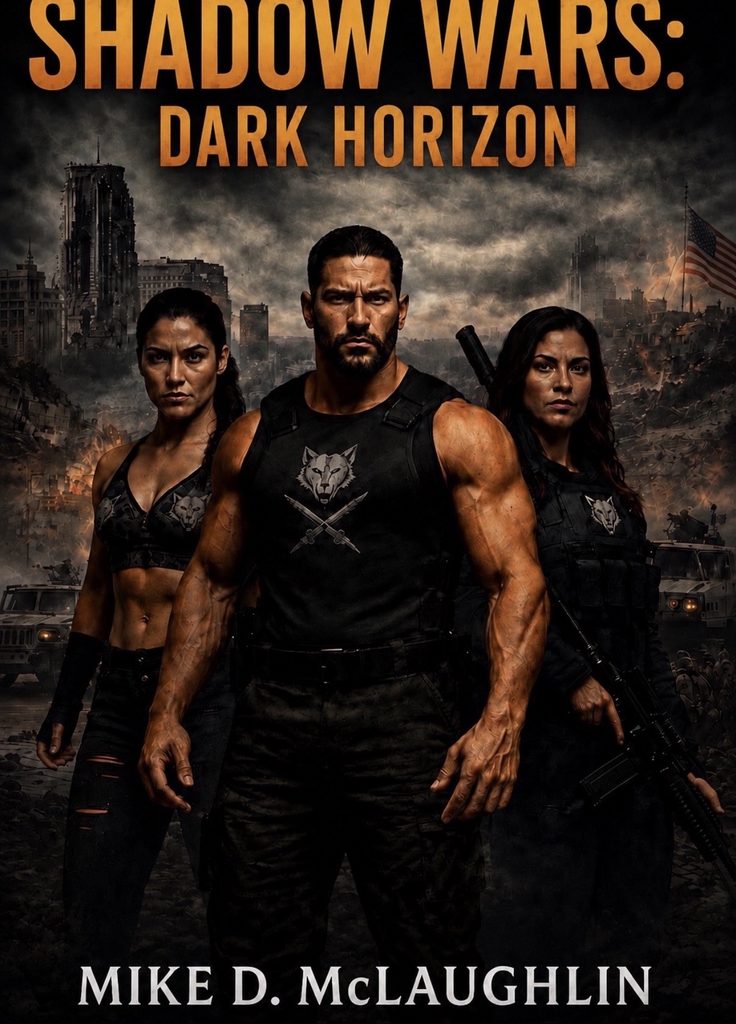
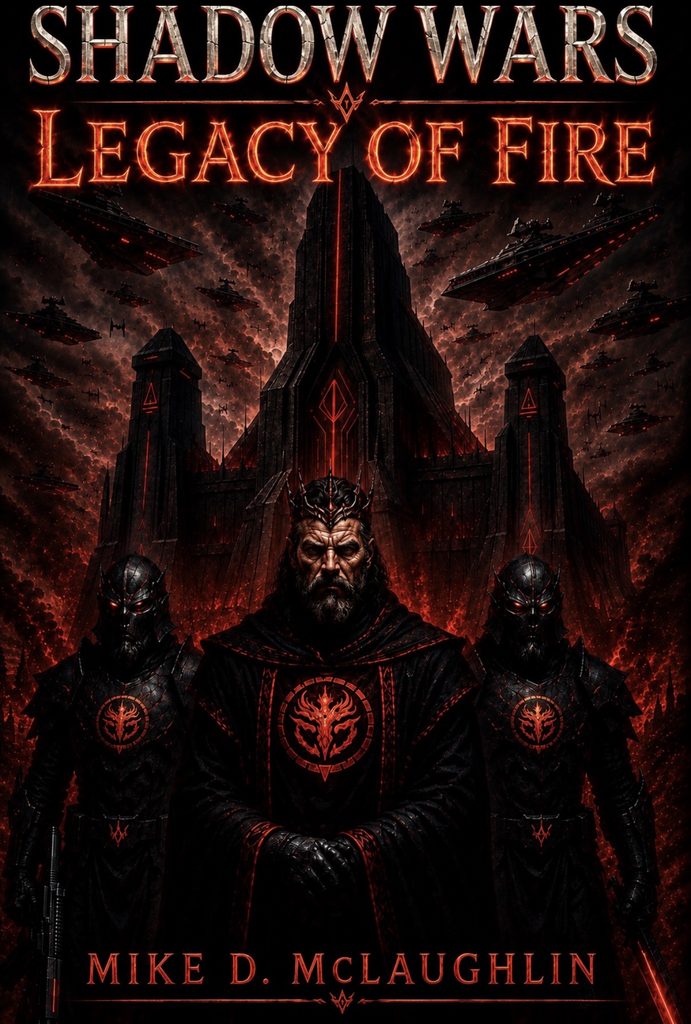
Shadow Wars: Project Revenant became my first published novel. Since then, I have published the next books in the series: Shadow Wars: Dark Horizon and Shadow Wars: Legacy of Fire.
Self-publishing has taught me that finishing the book is only part of the process. Publishing also means learning about editing, formatting, covers, marketing, promotion, and finding ways to connect with readers. I learned much of the self-publishing process through trial and error, researching KDP requirements, and correcting problems as they came up.
One challenge was learning how specific Amazon’s formatting requirements can be, especially with cover dimensions, trim size, margins, and bleed. Before publishing my second and third books, I had to review and fix parts of the covers so they would meet KDP’s requirements. I also learned to pay more attention to book descriptions, pricing, keywords, and how a cover looks to someone seeing the book for the first time.
These problems could be frustrating, but working through them taught me that self-publishing requires patience and attention to detail.
Balancing life as a WCU student and a published author
Being a published author of three military science fiction novels, planning future prequels and character spinoffs, and studying Communication at West Chester University can be a lot to manage. At first, I wasn’t sure whether I could balance both school and writing, but I gradually learned that it comes down to managing my time and setting priorities.
One thing that has helped me is separating schoolwork and writing into different parts of the day. I try to finish assignments with the closest deadlines first, then use whatever time I have left for writing, editing, or planning future Shadow Wars stories. I also keep track of upcoming assignments and writing goals, so I do not try to do everything at once. Some days I focus more on school, and other days I have more time for writing, but learning when to switch between the two has helped me stay organized.
Even if I eventually work with a literary agent or traditional publisher, I know that the process would still require planning and deadlines. Agents may ask for revisions before submitting a manuscript, while publishers can set more formal deadlines once a book is under contract. For now, though, self-publishing gives me more control over when I write, revise, and release each book.
Being my own publicist
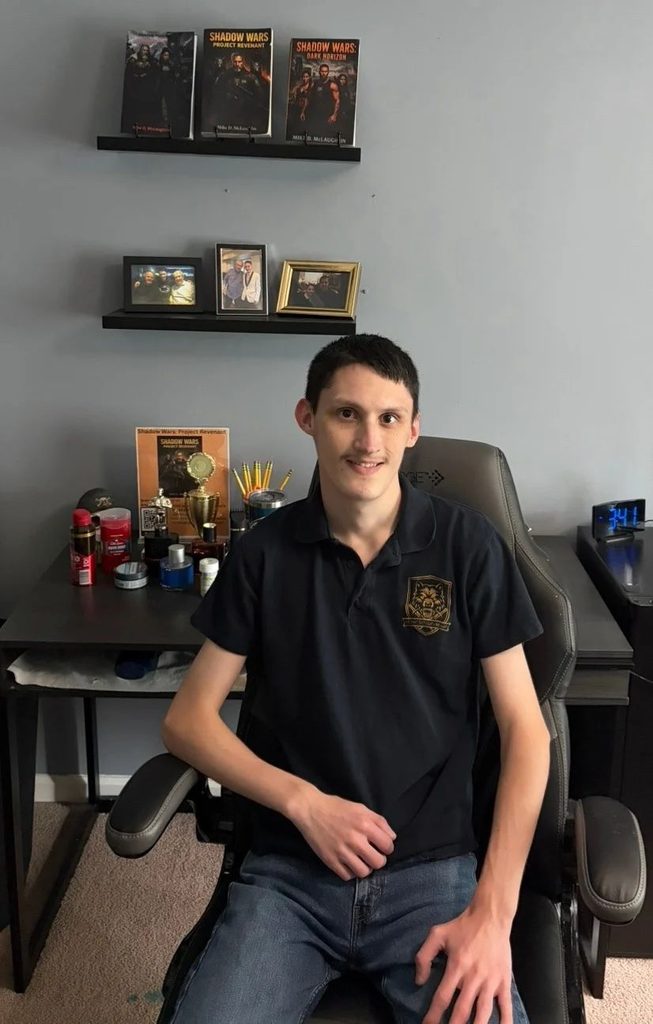
Publishing my first three Shadow Wars novels on Amazon was never my only goal. Being an author also means deciding how you want to promote your work, build visibility, and connect with potential readers. For me, that has meant experimenting with several different forms of promotion.
After publishing my first novels, I created my own website Wolves Never Die, where I share information about characters, factions, key locations, and other parts of the Shadow Wars universe. I have also created merchandise through Etsy, produced short promotional video clips based on chapters, and shared character and faction content through my Instagram account.
More recently, I have also been developing the idea of a small eight-person Shadow Wars reader team. The group would be made up of students interested in reading selected material and giving honest feedback on characters, storylines, worldbuilding, promotional ideas, and merchandise concepts. The goal is not to require anyone to purchase the books but to create a small group of readers who can discuss the series and help me understand what connects with an audience. I have started promoting the reader team around WCU through approved campus flyers and other student outreach.
In my DHM 260: Digital Storytelling course, taught by Dr. Jordan Schugar, I have received helpful recommendations for making my books more visible within the WCU campus community. The class has also helped me think about storytelling beyond writing on the page. I have learned how camera shots, visuals, pacing, and branding can shape the way an audience experiences a story. Those ideas have helped me think more creatively about how I promote Shadow Wars through short videos, character content, and other visual material.
Challenges and lessons
There have been many challenges and lessons throughout my journey as an author. One of the biggest challenges was believing that I might never be good enough to become published. That started to change when I finally published Shadow Wars: Project Revenant and saw that the work I had spent years developing was out in the world for readers to find.
Finishing and publishing that first novel showed me that rejection from literary agents did not mean I was incapable of becoming an author. It meant I needed to keep improving, keep looking for other paths, and keep moving forward.
Even now, I sometimes feel nervous when talking about my books with professors and classmates. Reading is not everyone’s interest, and that is completely okay, but I have learned that sharing my work is also part of growing as a writer and finding the people who may connect with it.
I may not know many other military science-fiction authors personally, but I know that every writer faces challenges while developing and publishing their work. That is part of the process.
The biggest lesson I have learned from writing my three published books, attending WCU, and querying literary agents is that rejection does not mean you should give up. One strategy that has helped me persevere is continuing to work on something even when another part of the process is disappointing.
If I receive a rejection or run into a publishing problem, I try to focus on the next chapter, revise something that needs improvement, research another opportunity, or work on a different Shadow Wars project instead of stopping completely. I also look back at my query letters, synopses, and manuscripts to see what I can strengthen. Not every rejection comes with detailed feedback, but I have learned that rejection can still be useful if it pushes me to review my work and think about what I can improve. Success does not always happen immediately, but every step forward still counts.
The main thing I hope you take away is this: whatever you love doing—whether it’s acting, singing, dancing, writing, advertising, or something completely different—don’t give up on it just because progress feels slow or because someone else doubts you.
You may sometimes think your work is not good enough or that you are failing. I have felt that way, too. But creating something meaningful takes time, effort, patience, confidence, and commitment.
You do not have to wait until after graduation to begin pursuing something you care about. You can start small, learn as you go, make mistakes, improve your work, and keep moving forward.
Likes, sales, publication, representation, and reputation can all matter, but they should not be the only things that define success. Believe in what you are building, keep working at it, and give yourself the chance to see how far it can go.
Where I’m going next—My first three Amazon-published novels, Shadow Wars: Project Revenant, Shadow Wars: Dark Horizon, and Shadow Wars: Legacy of Fire, are only the beginning of what I have planned for the series.
I am currently working on my first prequel, House of the Wolf, which explores the history of the Stonehelm dynasty, the twelve dwarven clans, General Thrain Stonehelm’s homeworld of Dravengrim, and the events that helped turn him into one of the central figures of the Shadow Wars universe.
I also have several other prequels planned, including The Iron Crown, Wolves of the Eastern Front, and The Ghost of Gettysburg. These stories will explore different eras of the Shadow Wars timeline, ranging from ancient conflicts and royal dynasties to World War II and post-Civil War America.
In addition to the prequels, I am planning eight-character spinoffs. The first, The Eve of War, follows Eve Torres—a character whose name was inspired by former WWE performer Eve Torres—during her earlier years as a Marine and Special Forces officer and explores her battles against Pantheon and the mysterious terrorist known as The Revenant.
My goal is to keep expanding Shadow Wars into a larger connected universe with new stories, characters, time periods, and eventually, other forms of entertainment.
More information
To explore the sites and resources mentioned in this article, follow these links: