
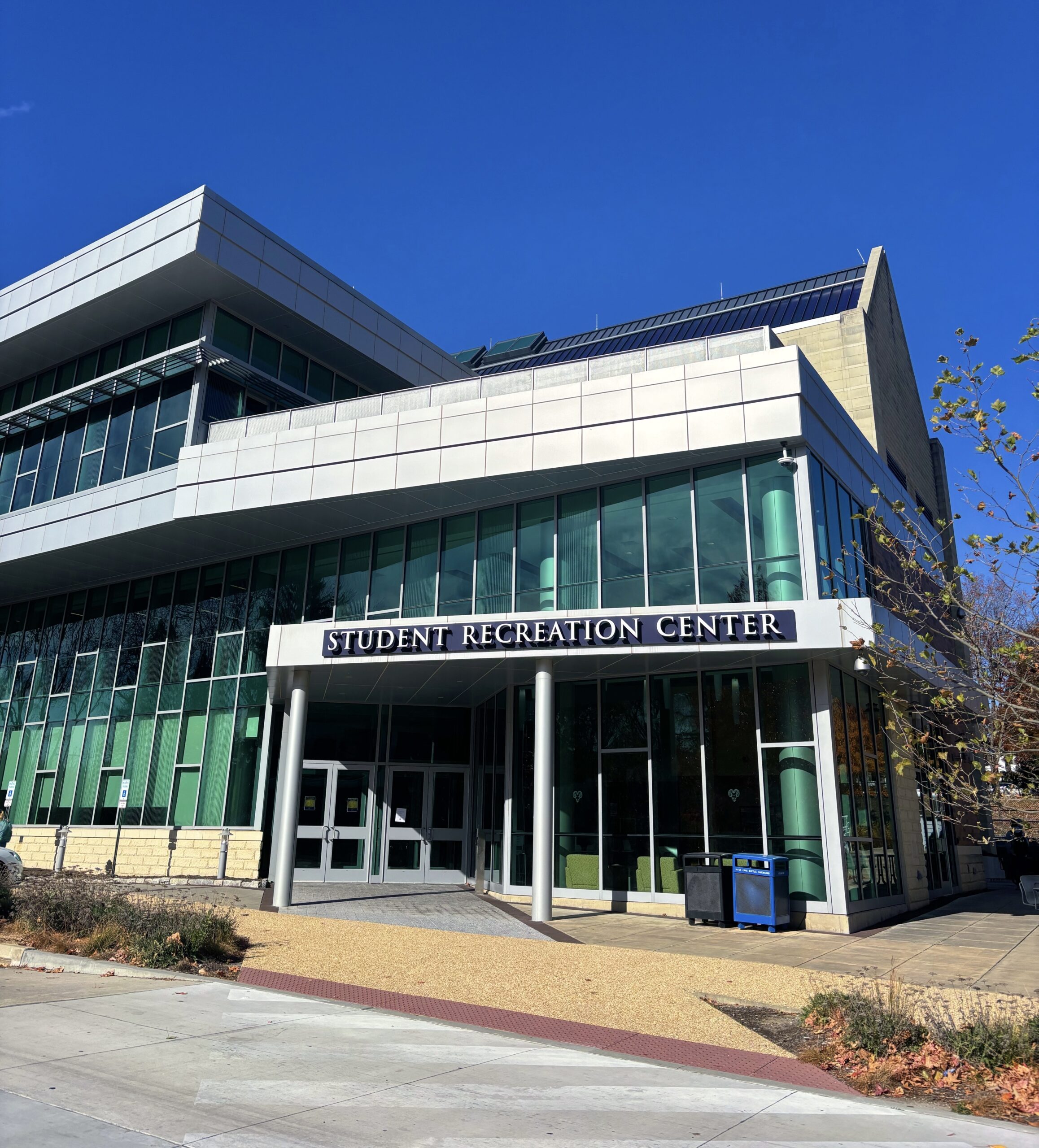
Before coming into college last year, I was a person who worked out frequently for the benefits it had on my mental and physical health. As classes began to pick up, and I was busy with marching band practices and football games, my anxiety about the crowds increased. I started using the rec center less, and eventually stopped altogether.
As a result, I lost both the outlet that kept me grounded in school and the community that came with it. Furthermore, the Rec Center is more than just weights and cardio. Many other programs include arcade games, lawn games, ping pong, and even s’mores (link to some of these events). However, the West Chester University Student Recreation Center is one of the most valuable and overlooked resources on campus for getting involved, no matter why you visit.
Reasons to get involved:
Tuition
Next time you’re paying your tuition in the bursar section of the RAM portal, take a second to think about the university charges you are paying for in addition to your classes and textbooks. For the 2025–26 school year, full-time undergraduates pay general fees that cover educational services, health and wellness, SSI, auxiliary enhancement, Sykes Union, parking and transportation, and the Student Recreation Center. Since part of your tuition already funds the Rec, you might as well take advantage of it.
Mental health
A 2023-2024 data report 38% of students reported moderate or severe depressive symptoms, and 34% reported moderate or severe anxiety symptoms. These numbers show that mental health challenges are common among college students. Using the Student Recreation Center can help reduce stress and improve overall well-being. Research has linked regular physical activity to lower rates of depression and anxiety, making the Rec center a valuable resource that many students overlook. Beyond exercise, group fitness classes, intramural sports, and recreational events provide opportunities to build friendships and feel more connected to campus life. That sense of community can be just as important for mental health as the physical benefits of working out.

Pie chart showing students’ likelihood to need support for mental health challenges via The Healthy Minds Study.
Academic performance
Research links campus recreation facility uses to academic outcomes. Students who visited facilities at least 25 times in a semester were 1 percent more likely to return after their first year and 2 percent more likely to graduate within five years. Other studies found little effect on grade point averages. While recreation may not improve grades directly, it supports persistence and degree completion. Participation in CSR usage also improves concentration, stress management, and time management, which are traits to strengthen academic success.
How to get involved
A trade magazine article explains how campus recreation departments at Harper College and Northeastern University use social media to increase student engagement and strengthen community. WCU Student Recreation Center @wcupacampusrec on Instagram promotes fitness classes, sports programs, and wellness events. Posts feature announcements about intramural and club sports, group exercise classes including yoga and line dancing, and programs such as swimming lessons and lifeguard certification courses. The account also updates followers on facility hours, rules, and availability.

The Student Rec Center’s hours per @wcupacampusrec on Instagram.
After I stopped exercising, I felt like I was restricting myself from my campus and myself. One evening, a friend and I went to the Rec, played pickleball, and lifted weights. That visit pulled me back in. I left not only more connected to my campus but also with new friendships that keep me coming back today.